Home / Products / Oyster Nursery and Spat Mesh Bags

Product 03 / Early stage

Nursery &
spat bags.

For early growth stages, mesh selection begins with the size of the stock being held and the water exchange the system needs.

Product overview

Keep small stock contained.

Nursery and spat bags are selected around the size range of the stock. The opening must retain the smallest oysters while supporting water exchange and practical handling. Confirm the measurement convention rather than assuming mesh numbers are interchangeable between suppliers.
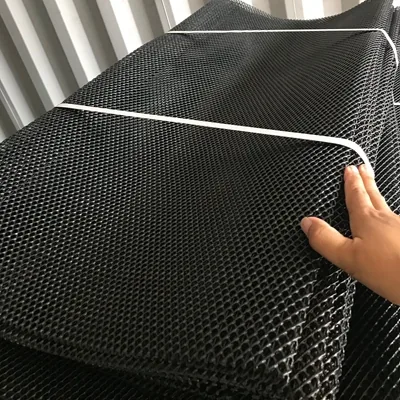
Black oyster mesh shown in close detail
Mesh detail. Match the opening to the stock size and system.

Selection principle. Confirm the smallest stock size and the mesh measurement convention before choosing an opening.

What to specify

Include the smallest oyster size you need to retain, target bag dimensions and whether the bag is for nursery trays, suspended culture or another setup.

Use the inquiry guide
PRODUCT DATA / 03 — NURSERY & SPAT

Product data
& specification

For early-stage stock, retention and water exchange must be considered together. Define the smallest oyster to retain and the mesh measurement method before choosing an opening.

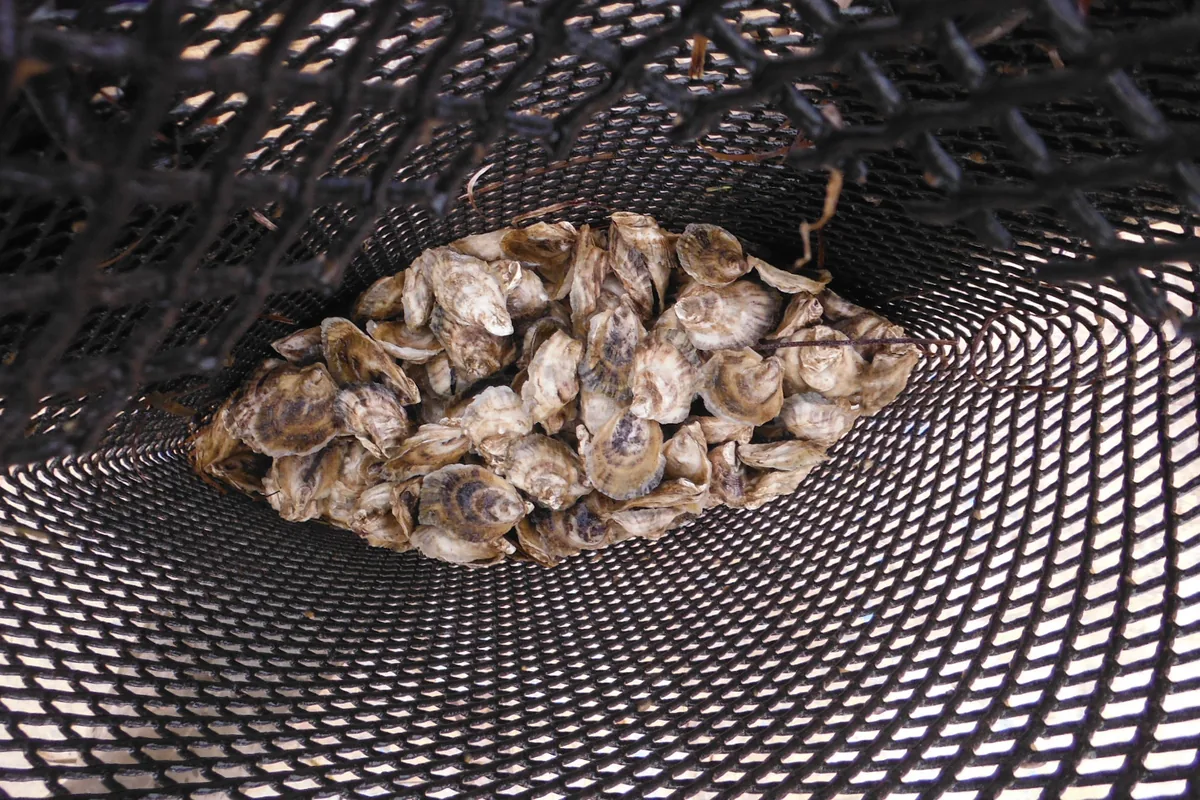
Oysters held inside a black mesh bag
Oysters in mesh; nursery stock-size suitability must be confirmed.
ParameterWhat to defineUnit / evidence
Stock stageSpat/seed/nursery stage and starting size rangemm shell height or agreed size grade
Retention targetSmallest stock that must remain containedState minimum size and acceptable loss criterion
Mesh openingClear opening or other stated measurement conventionmm; add tolerance and test method
Mesh patternSquare or diamond; orientation if it affects opening under loadReference sample / drawing
Mesh materialPolymer/resin grade, additives and UV documentationSupplier data sheet required
Bag/roll formatFinished width × length or roll width × roll lengthIdentify finished bag vs raw netting
Closure & accessLoading opening, closure type and repeated access requirementsShow both ends in drawing
Culture systemTray, basket, suspended line, tumbler or other host equipmentProvide system photo or dimensions
Cleaning & handlingCleaning method, service interval and lifting methodCheck compatibility with farm routine

Specification statusMatch the nursery aperture and retention limit to incoming stock. Record the measured opening and test it with the smallest stock in an approved sample before ordering.

BUYER’S GUIDE

Choose for the smallest stock—not the product label

Write down the smallest shell size entering the bag, the size distribution, the growth interval and the system in which the bag sits. Then define the actual clear opening and verify it on a production sample. Water-flow and retention trade-offs depend on the farm and cannot be inferred from a generic mesh number.

RFQ CHECKLIST

01
Measure the stock

Use shell height or the grading method used at your farm.

02
Define retention

Identify the minimum size to contain and whether the bag will be graded during use.

03
Match the host system

Give tray/basket dimensions, attachment points and allowable loaded volume.

04
Approve a sample

Check opening consistency, seam finish, closure and handling before a production run.

COMMON QUESTIONS

Is nursery mesh always smaller than grow-out mesh?

It is commonly selected for smaller stock, but the required opening depends on the stock and retention target. Confirm with a measured sample.

Can nursery mesh be supplied on rolls?

State explicitly whether you need raw netting or sewn/finished bags; roll and bag specifications are different.

Can a supplier guarantee survival or growth rate?

That requires farm-specific evidence and controlled conditions; do not infer it from mesh specifications alone.

Continue exploring

Compare the
whole range.

Review related bag forms before settling on mesh and dimensions.

Browse products