Home / Products / Floating Oyster Bags and Float Systems

Product 02 / Surface culture

Floating oyster
bags.

The bag, floats and fastening method work together. Consider the complete assembly, including how it will be attached and handled.

Product overview

Treat it as a system.

Floating oyster bag setups combine a mesh bag with floats and a way to secure the assembly to a farm line or support. Float forms and connection layouts vary. Their dimensions and attachment details should be considered alongside the bag and the planned maintenance routine.
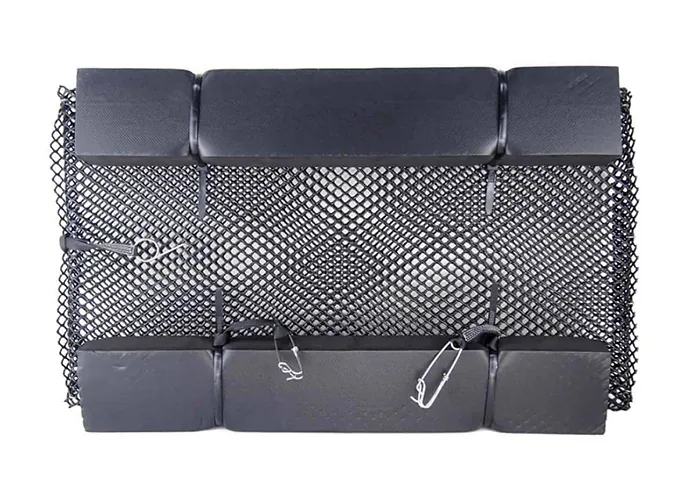
Mesh oyster bag fitted with rectangular float blocks
A floating bag assembly with rectangular float elements.
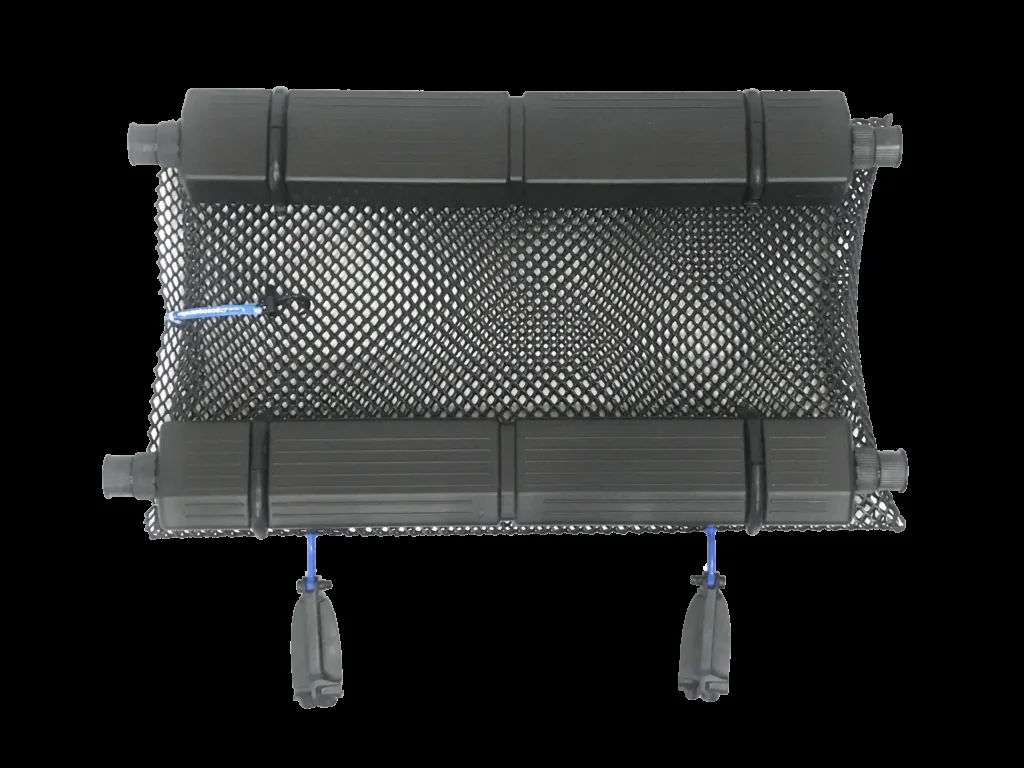
Oyster mesh bag with rigid float components along its sides
Another float arrangement shown with an oyster mesh bag.

Selection principle. Float type alone does not establish suitability; the connection layout and overall bag size are part of the specification.

What to specify

For a floating system inquiry, share a sketch or photograph of the planned line layout and describe how bags will be attached, turned and inspected.

Use the inquiry guide
PRODUCT DATA / 02 — FLOAT SYSTEM

Product data
& specification

Treat a floating oyster bag as an assembly, not a bag with a generic float added. The bag, buoyancy elements, fasteners and farm-line interface need to be specified as one system.

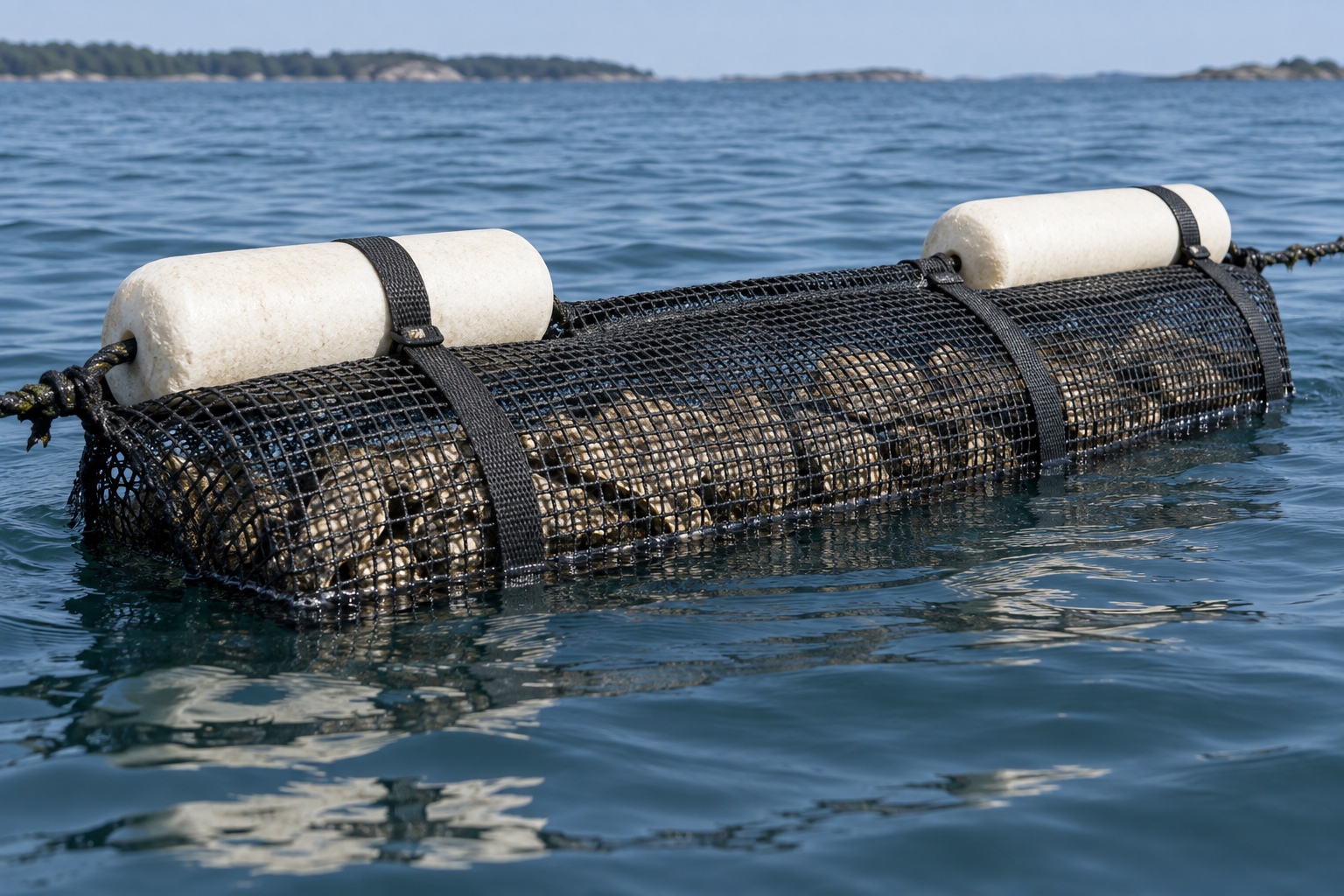
Illustrative floating oyster mesh bag with foam floats
Illustrative configuration only; float dimensions and buoyancy are not specified.
ParameterWhat to defineUnit / evidence
Bag meshMaterial, pattern, opening and measurement methodComplete the core mesh-bag schedule
Bag dimensionsLay-flat width and finished length, including both end treatmentsmm or cm; tolerance to be agreed
Float typeFoam block, inflatable/cylindrical element, or other documented designConfirm actual offered type
Float dimensionsLength × width × thickness, or length × diameter for cylindrical formmm; drawing and tolerance required
Buoyancy basisTarget supported load / freeboard for the specified stock and assemblyEngineering value to be supplied and verified
Float positionQuantity, spacing, orientation and attachment points on the bagDimensioned assembly drawing
FastenersMaterial, size, quantity and installation methodCompatibility and corrosion exposure to be confirmed
Farm-line interfaceRope/longline diameter, clips, loops or other connection pointsProvide line sketch or existing connector sample
Maintenance & packingHow the unit is turned/handled and whether components ship assembledConfirm per operation and shipment

Specification statusSelect a floating configuration against the stocked-bag load and site conditions. Record documented float dimensions, buoyancy basis and fastening details on an assembly drawing before ordering.

BUYER’S GUIDE

What to include in a float-system drawing

Show the bag in plan and side view, the number and position of floats, attachment points, line interface and the intended waterline. Add the stocked-bag load and the site’s operating conditions so buoyancy can be checked rather than guessed.

RFQ CHECKLIST

01
Culture layout

Surface, intertidal or longline arrangement; water depth and exposure context.

02
Loaded unit

Bag size, expected stock load and any ballast or accessories.

03
Connections

Line type/diameter, attachment position and fastener material.

04
Service routine

How the unit is lifted, flipped, inspected and cleaned.

COMMON QUESTIONS

Does every float bag use the same float size?

No. Float size and number depend on the complete loaded assembly and operating conditions. Request the basis for any buoyancy claim.

Can I order the bag and floats separately?

That depends on the confirmed product range. State whether you need a complete assembled unit or components only.

What should a replacement inquiry include?

Photos of both sides, bag dimensions, float dimensions, fasteners and the way the unit connects to the farm line.

Continue exploring

Compare the
whole range.

Review related bag forms before settling on mesh and dimensions.

Browse products