
01 / BUYER GUIDE
How to Choose an Oyster Mesh Opening
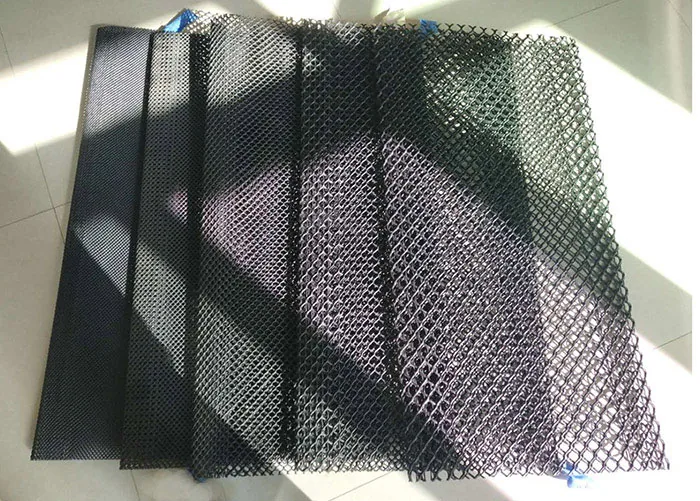
Choose an opening from the smallest stock you need to retain, then define how the opening is measured and checked.
Read guideBUYER KNOWLEDGE / FIELD NOTES
Practical guidance for comparing oyster bags, mesh openings, materials and farm-system details before requesting a quotation.
Knowledge library
Use these guides to clarify a requirement, then follow the related product page to review specification questions. Values that depend on your farm should be confirmed with a sample or drawing.
Choose an opening from the smallest stock you need to retain, then define how the opening is measured and checked.
Read guide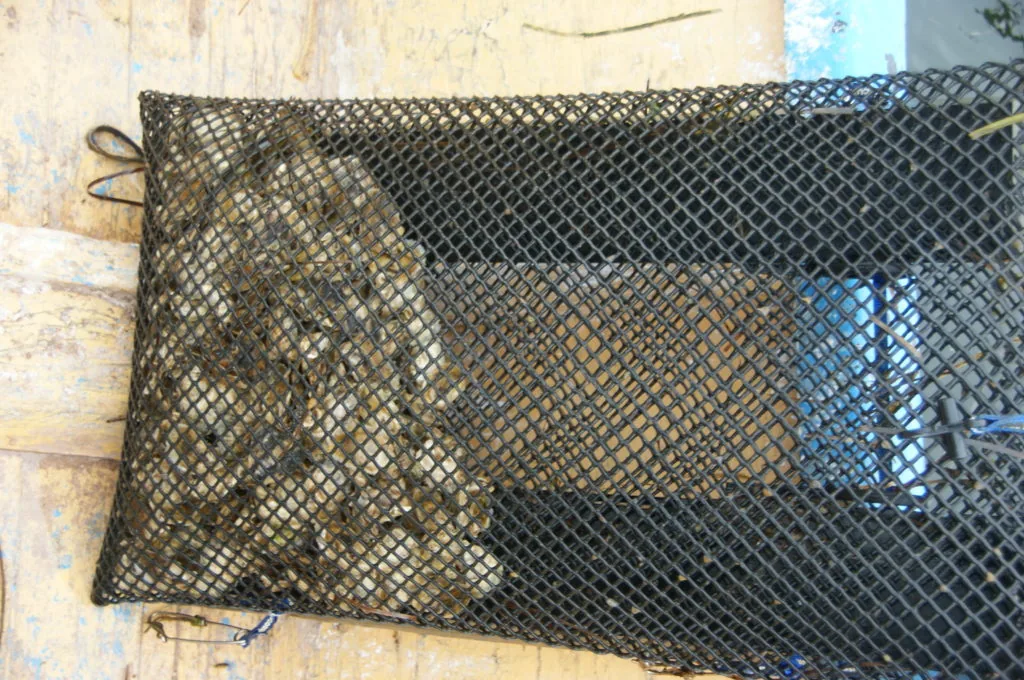
A useful size specification distinguishes finished dimensions from raw mesh dimensions and treats capacity as a farm-specific operating choice.
Read guide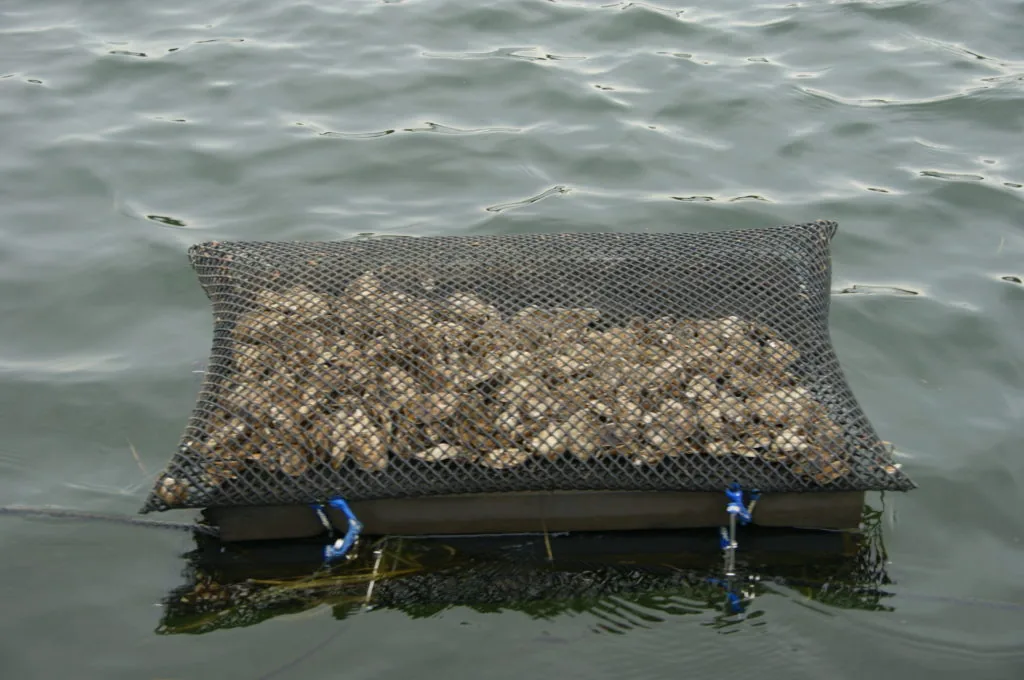
Match bag format to the culture system and work routine first; then specify stock retention, dimensions, closure and connections.
Read guide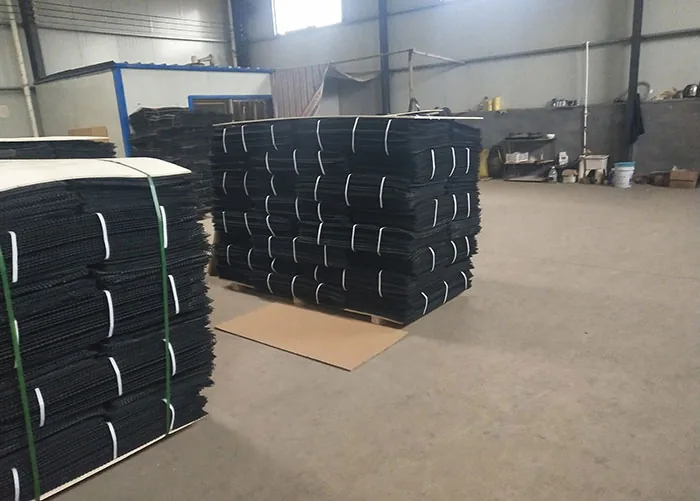
HDPE is a type of polyethylene. Compare the actual material grade and supporting evidence rather than relying on a broad label.
Read guide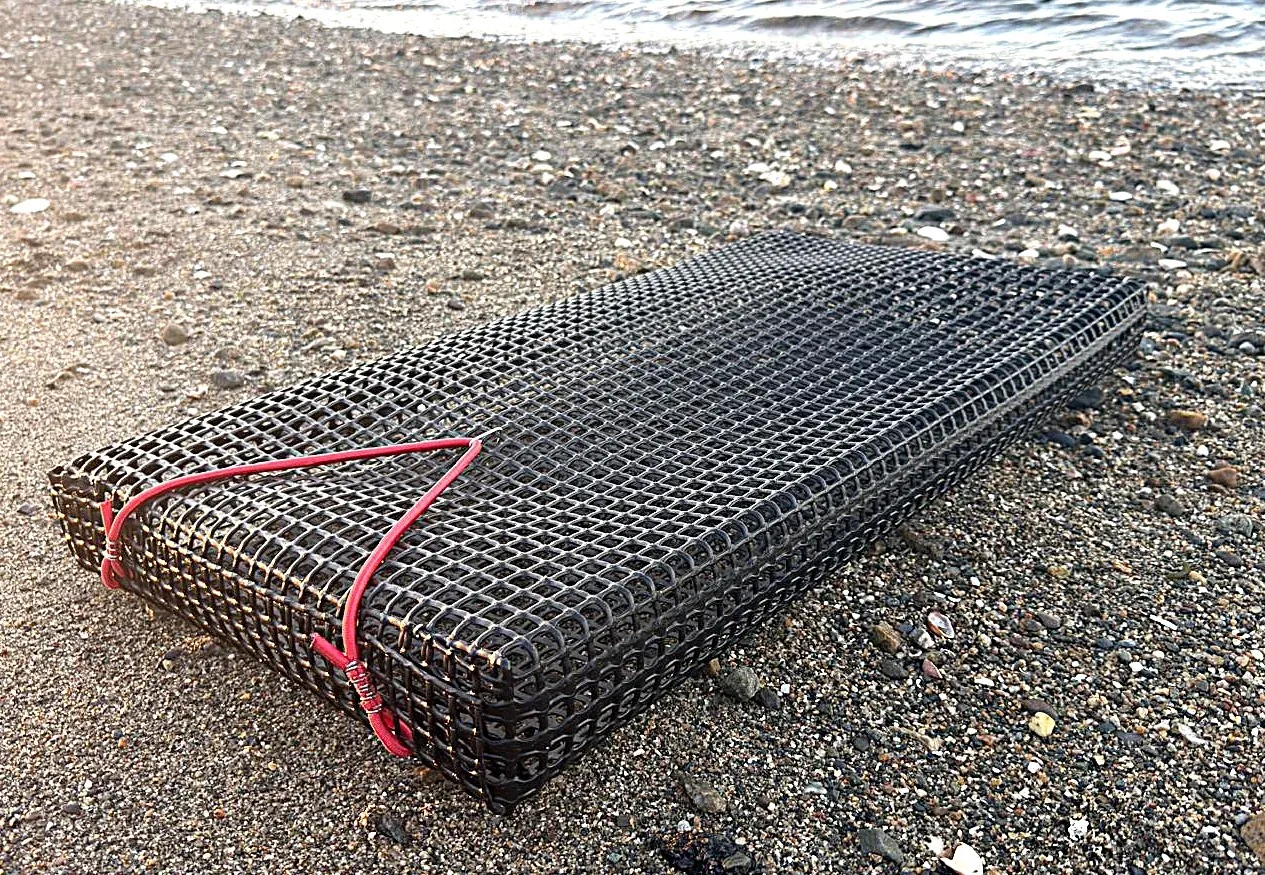
A repeatable inspection and cleaning routine helps farms manage fouling and catch wear early; follow local biosecurity and site rules.
Read guide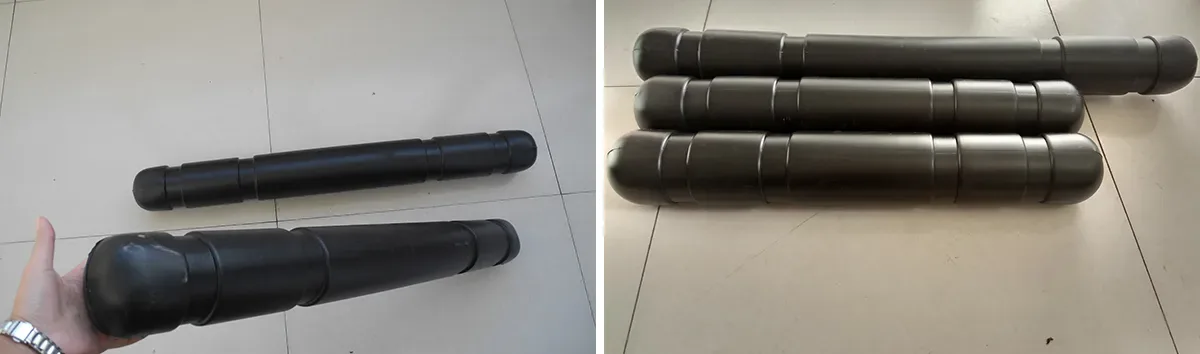
A concise request-for-quotation brief makes product comparisons more reliable and reduces avoidable specification gaps.
Read guideHave a specific setup?
Share your culture method, oyster size, mesh requirement, bag dimensions and any drawings or sample photos you already have.
Prepare an inquiry