Home / Products / Oyster Mesh Bags for Grow-Out

Product 01 / Core mesh

Oyster mesh
bags.

An oyster mesh bag is defined by more than its opening size. Form, dimensions and closure should suit the farm system in which it will be used.

Product overview

Start with the way the bag works.

Oyster mesh bags hold stock during cultivation while allowing water to move through the mesh. A useful specification identifies the mesh pattern and opening, finished dimensions, and the intended closure or attachment method.
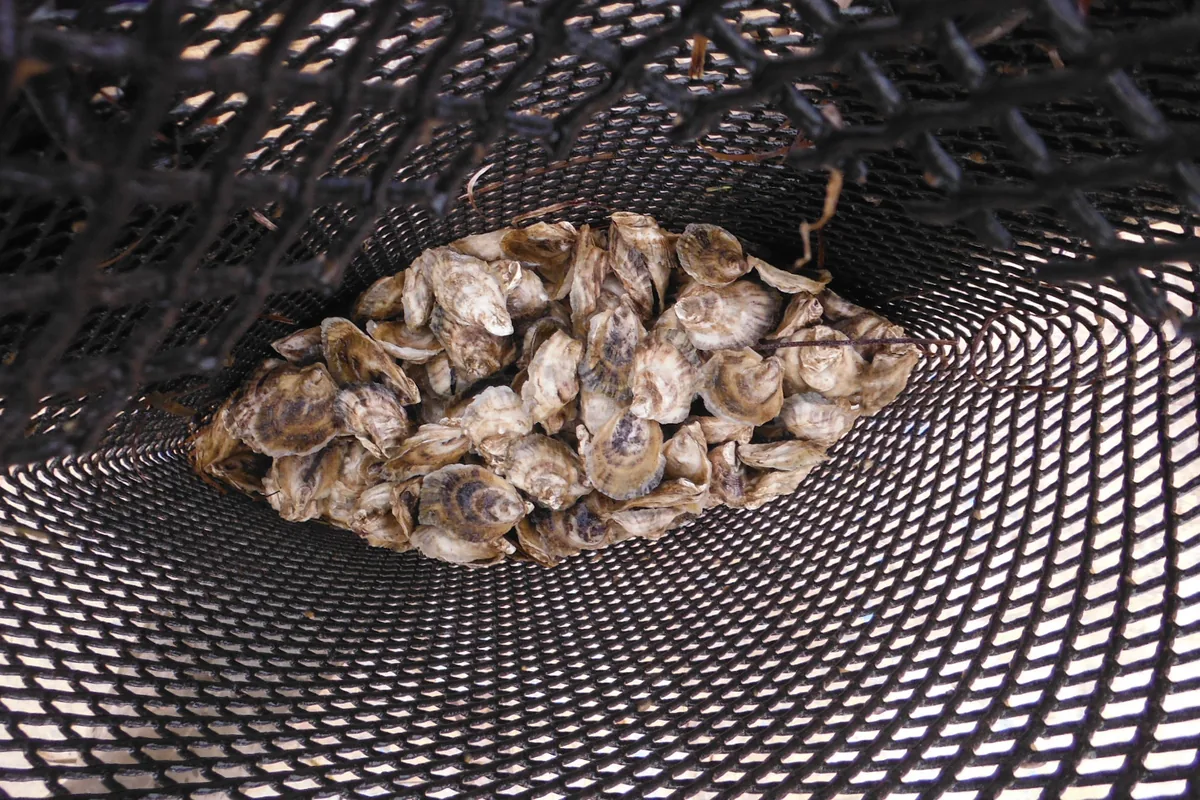
Oysters held inside a black mesh bag
Oysters inside a mesh bag during cultivation.
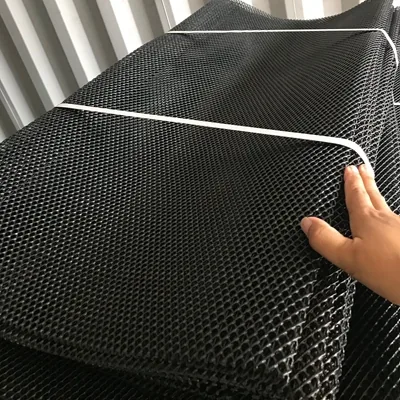
Close view of black oyster mesh and bag construction
Mesh construction and bag surface, shown at close range.

Selection principle. A named mesh size is not a complete bag specification; ask how the opening is measured and how the finished bag is assembled.

What to specify

When comparing mesh bags, provide a reference photo or drawing if you have one. State the measurement method as well as the nominal opening, since published sizes may use different conventions.

Use the inquiry guide
PRODUCT DATA / 01 — CORE BAG

Product data
& specification

A complete oyster-bag specification identifies the mesh and the finished bag together. Use the schedule below to describe a new requirement or match a bag already in service.

Close view of black oyster mesh material
Mesh material detail; opening size must be verified by measurement.
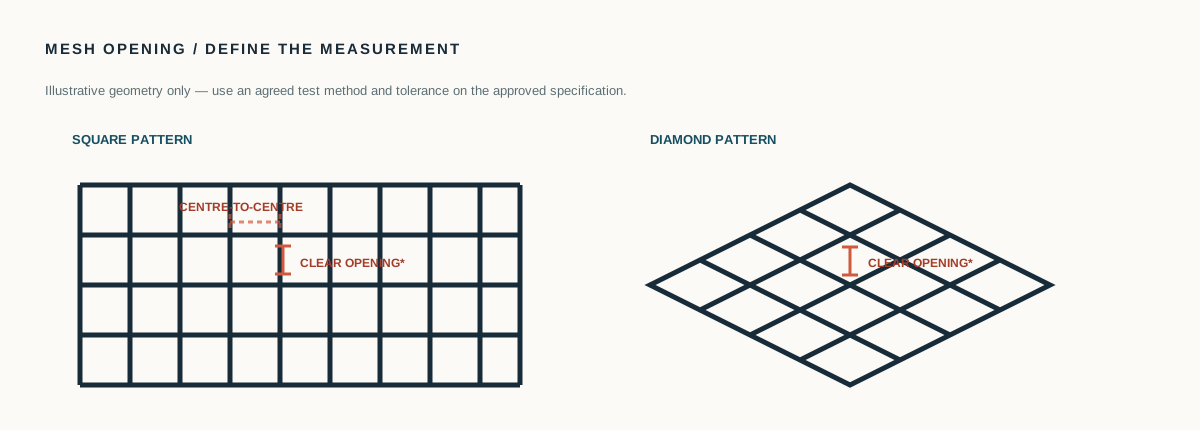
Diagram comparing square and diamond mesh opening measurement conventions
*Illustrative only. State the chosen clear-opening or centre-spacing method and its tolerance in the purchase specification.
ParameterWhat to defineUnit / evidence
Mesh materialPolymer/resin grade, virgin or recycled content, and any additivesSupplier data sheet / agreed material declaration
Mesh openingNominal opening and measurement method (clear opening, centre-to-centre, or other)mm; define method and tolerance
Mesh patternSquare or diamond; orientation if relevant to the installationDrawing or reference sample
Finished bag dimensionsLay-flat width and finished length; state whether measured before or after closuremm or cm; tolerance to be agreed
Bag constructionTubular mesh or fabricated panel; seams and joining methodSection sketch / sample
End treatmentBoth ends open, one end closed, or another specified arrangementDescribe each end separately
Colour & UV requirementRequested colour and any documented UV-stabilization requirementEvidence/documentation to be confirmed
Weight & toleranceFinished-piece mass for the selected mesh and dimensionsg per bag; establish after sample approval
PackingBundle/carton/pallet format and units per packConfirm for order and destination

Specification statusMesh aperture and finished dimensions are defined for each configuration. Record the value, measurement method and tolerance on a drawing approved before production.

REFERENCE CONFIGURATIONS / COMPARISON ONLY

Published mesh-bag examples

These values are transcribed from an external published schedule for buyer comparison. They are not verified ZY-OysterBags SKUs or a supply commitment. Confirm current availability, measurement conventions and construction on an approved drawing or sample.

Source summary

The page describes HDPE, square or diamond mesh, reinforced mesh, hot-pressed edges, black or white color, and roll or bundle packing. It also claims UV stabilization and chemical resistance but provides no resin grade or test standard, so those claims are not treated as verified performance. The page gives no mesh-opening measurement method, weight tolerance or dimensional tolerance. Its summary list omits the 2 mm and 18 mm options found in the itemized table, and its general sealed-edge statement conflicts with one unmarked sealed entry.

Mesh openingPublished bag dimensionsPublished weightReinforcedSealed edge
2 mm100 × 40 cm360 gYesYes
2 mm100 × 40 cm410 gYesYes
4 mm100 × 50 cm550 gNot markedYes
4 mm100 × 50 cm550 gYesYes
4 mm100 × 50 cm700 gNot markedYes
4 mm100 × 50 cm700 gYesYes
6 mm100 × 50 cm550 gNot markedYes
6 mm100 × 50 cm700 gNot markedYes
6 mm100 × 50 cm700 gYesYes
9 mm100 × 50 cm550 gNot markedYes
9 mm100 × 50 cm550 gYesYes
9 mm100 × 50 cm700 gNot markedYes
9 mm100 × 50 cm700 gYesYes
13 mm100 × 50 cm550 gNot markedYes
13 mm100 × 50 cm550 gYesYes
13 mm100 × 50 cm700 gNot markedYes
13 mm100 × 50 cm700 gYesYes
18 mm100 × 50 cm550 gYesYes
18 mm100 × 50 cm700 gYesNot marked
23 mm100 × 50 cm700 gNot markedYes

Buyer checkMesh size is not a complete specification. The reference gives no aperture-measurement method or tolerances; bag dimension order is not defined. “Not marked” reflects an empty cell in the source table, not a verified “No.”

BUYER’S GUIDE

How buyers should define mesh opening

“Mesh size” can refer to the clear gap, a nominal opening, or a measurement taken between strand centres. These values are not directly interchangeable. Put the measurement method and tolerance on the drawing, and confirm whether the stated bag width is lay-flat or circumference.

RFQ CHECKLIST

01
Containment target

Smallest stock size to retain, plus expected size range during use.

02
Mesh geometry

Square or diamond pattern; identify the opening measurement convention.

03
Finished form

Lay-flat width, length, seams and opening/closure details.

04
Operating cycle

Culture method, handling frequency and any replacement-bag reference.

COMMON QUESTIONS

Is a mesh number enough to order?

No. State the measured opening, measurement method, pattern and tolerance, then define the finished bag.

Can a mesh roll specification be used for a finished bag?

Only if the roll width, joining method, seam allowance and finished dimensions are also agreed.

Is there one universal mesh-size convention?

No single label is enough. Define whether the stated value is the clear opening, centre spacing, or another agreed measurement, then verify it on a sample.

Continue exploring

Compare the
whole range.

Review related bag forms before settling on mesh and dimensions.

Browse products